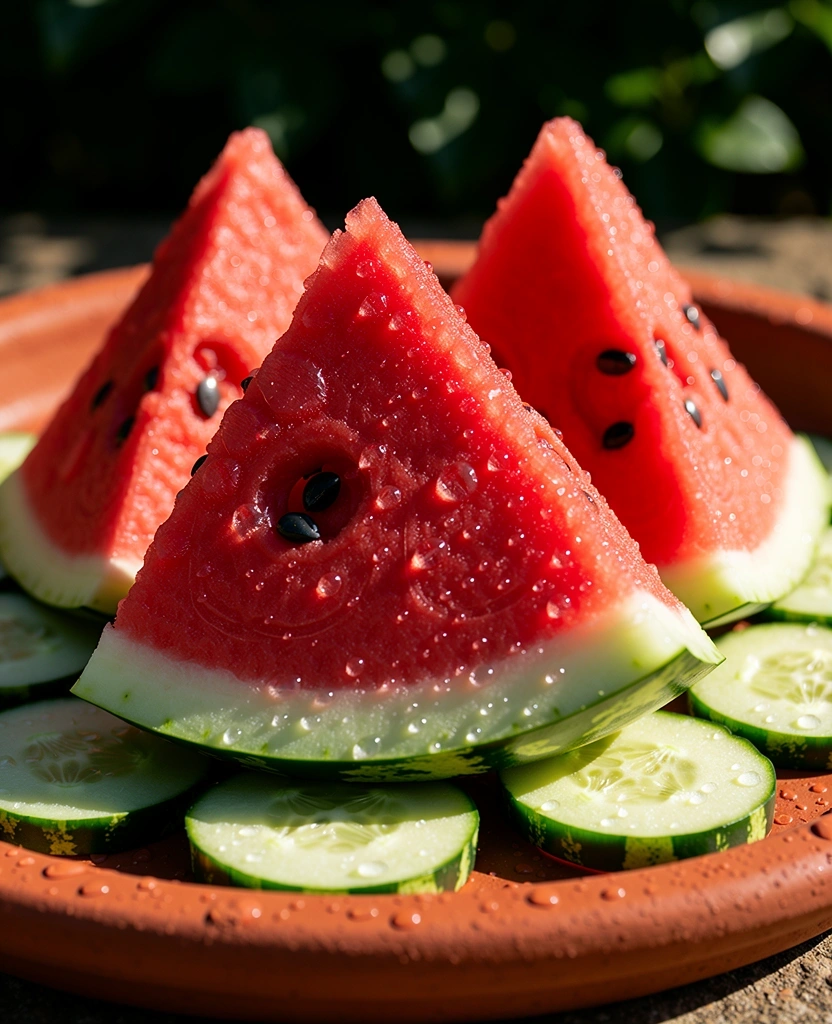
Macrophotography of fresh greens representing metabolic vitality
The Science of Movement

Active Living &
Caloric Balance.

Sustainable weight management in a Mediterranean context isn't about gym-bound restriction. It is the synergy between the nutrition we consume and the natural active lifestyle we cultivate through daily habits.

The Baseline:
Invisible Movement

Nutritionists often focus on what happens on the plate, but the metabolic reality is heavily influenced by NEAT—Non-Exercise Activity Thermogenesis. These are the calories burned while walking to the market in Sant Antoni, standing during a meeting, or taking the stairs in an Eixample apartment.

Metabolic Principle

"Consistent low-intensity movement contributes more to long-term weight management than sporadic, high-intensity sport sessions."

Daily movement in an urban environment Urban Rhythm

Walking is the foundational pillar of the Mediterranean life. A 30-minute stroll through the city helps align hunger signals with actual physiological needs, preventing the cravings caused by sedentary stress.

Water-rich foods for hydration Hydration Density

Active living requires internal cooling. Water-rich vegetables and fruits acts as natural electrolytes, replenishing minerals like potassium lost during movement without the added sugars of synthetic sports drinks.

Daily Habit Architecture

The rhythm of an active Mediterranean lifestyle

08:00 AM — Dawn Activation

Morning
Metabolism

Light movement before your first meal—a short walk or gentle stretching—helps prioritize fa oxidation and sets a metabolic tone for the day. Pair with a high-fiber breakfast of fruits and whole grains.

  • Walking to commute
  • Fiber-rich focus
02:00 PM — Mid-Day Pivot

The Active
Siesta

Modern work involves prolonged sitting. Staggering activity every 90 minutes prevents metabolic slowdown. A 10-minute movement break after lunch significantly improves post-meal glucose response.

  • Post-lunch stroll
  • Standing transitions
07:00 PM — Evening Recovery

The Sunset
Wind Down

Evening movement should be restorative. Aligning sports with your circadian rhythm improves sleep quality, which is the most overlooked factor in weight and hormone balance management.

  • Low-impact sport
  • Magnesium-rich greens

Refueling Precision

A common trap is overcompensating with food after physical activity. Understanding the balance between expenditure and replenishment is what makes an active lifestyle sustainable for weight management.

Post-workout hydration and micro-nutrients

The Whole Food Focus

Prioritize seasonal fruits and unrefined grains after vigorous activity. These provide a steady release of energy and prevent the insulin spikes that can follow processed carbohydrate consumption.

The Metabolic Balance Protocol

Fact-Based Integrations

01

Weekly Averaging

Caloric balance isn't a daily reset; it's a weekly average. One inactive day doesn't negate the benefits of six days of movement. Consistency over a 7-day window is the professional standard for weight management.

02

Muscle Resistance

Skeletal muscle is metabolically active tissue. Incorporating modest resistance training twice weekly ensures your metabolism remains resilient even at rest, supporting long-term caloric equilibrium.

03

Fiber Intake

Fiber-rich vegetables and fruits sustain energy levels during movement. This prevents the 'crash' associated with processed snacks and naturally regulates appetite throughout the day.


Cultivate your daily rhythm.

Join our weekly journal for refined research on Mediterranean movement habits, seasonal refueling recipes, and metabolic science.

Updates Every Sunday Barcelona, Spain No Miracle Cures

© 2026 Nourish & Balance — Avinguda Diagonal 456, Barcelona